Drinking Ant Water
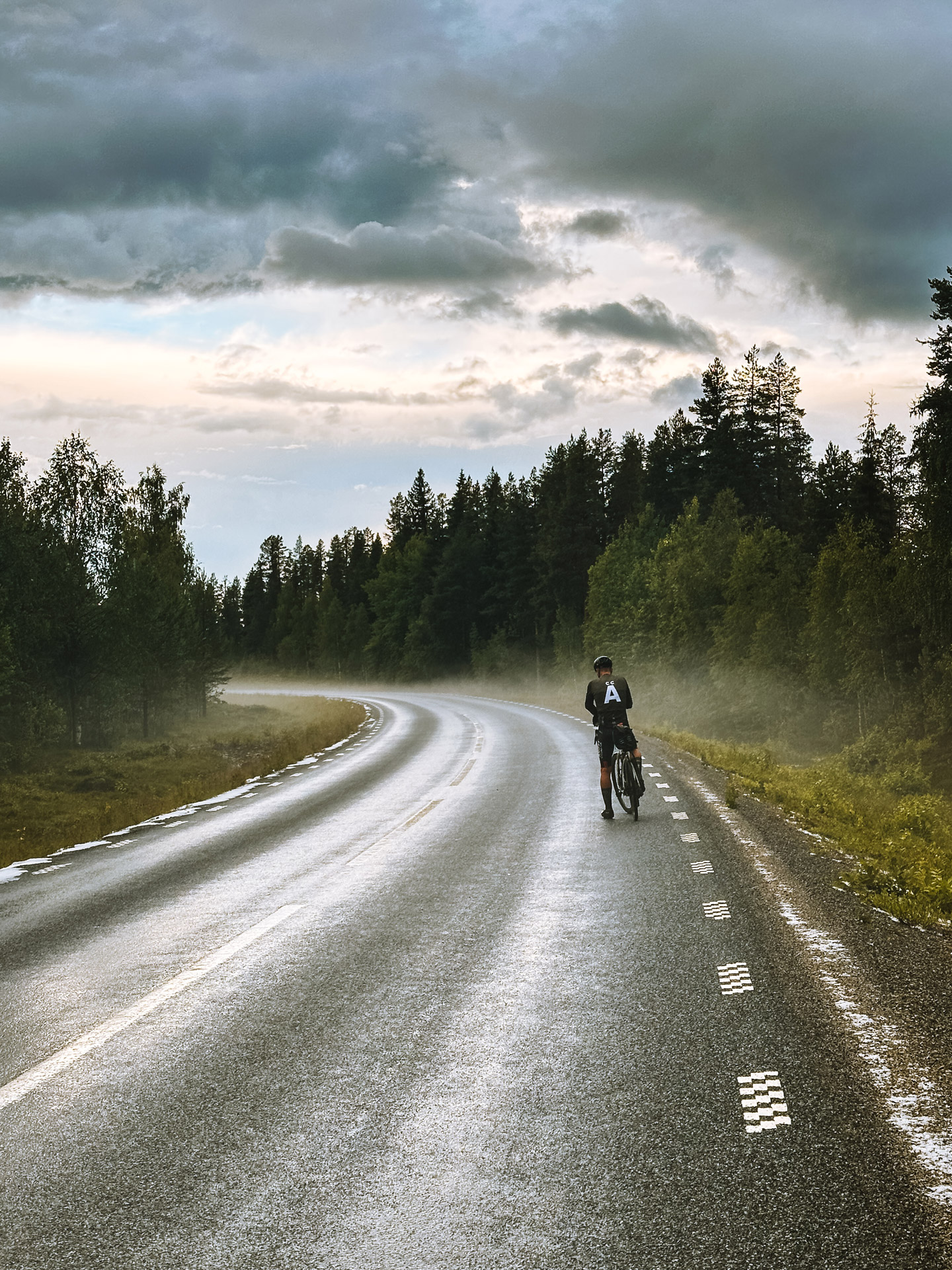
The idea for this came about when I was training for Sverigetempot1, a 2200km randonneur race the length of Sweden. Though I was familiar with basic nutrition on the bike, I had recently moved to Europe full-time and bought my first home, and with training volume steadily creeping up, so too was the cost of fueling that training.
At first, switching to my own drink mix was out of cost-savings, but I found quickly the ability to test different carbohydrates and modulate the ratios was extremely helpful in increasing performance and reducing gastric distress. I'm sharing what I learned in the hopes it helps someone else.

Cost savings
Maurten 320 costs €49 / $57 and includes 14 servings of 80 carbohydrates for 1120g total, which works out to €0.04 / $0.05 per 1g of carbohydrates.
1000g of maltodextrin costs on average €8 / $9, which works out to €0.008 / $0.009 per 1g of carbohydrates, about 82% cheaper.
This difference may not seem significant, but imagine you're training 10 hours a week and averaging 50g of carbs a ride.
Price with Maurten
€80 / $100 per month
€960 / $1200 per year
Price mixing yourself
€16 / $18 per month
€192 / $216 per year
Why fueling is important
Eating properly on the bike can help you perform at a higher level, recover better for your next session, and reduce the chance of overeating later in the day because your caloric deficit is too high.
The total effect is it will help you increase your training stimulus and reduce system fatigue.
Training your gut
If you're new to fueling, it takes time to build up your stomach's tolerance. Particularly during hard efforts and races, ingesting a large amount of carbohydrates can be difficult on your stomach. Start with 30-40g an hour and build up slowly.
Research shows below 60g2 of carbs per hour, you don't necessarily need more than one type of carbohydrate. However, using different sources may help reduce stomach issues.
How many carbohydrates
The right amount for one person may be the wrong amount for the next. Just a few years ago it was thought the upper limit of carbohydrate intake was around 90g3 per hour, but now we're seeing pro cyclists and triathletes experiment with 200g4 per hour.
Your physiology, size, and the amount of kJs per hour you burn will have an impact on what the right number is for you. I'd recommend keeping a log of what you eat on your rides in TrainingPeaks or another platform and making note of how you felt.
Be honest about your power numbers. World Tour athletes are able to consume a ridiculous amount of carbohydrates because they put out a correspondingly ridiculous amount of power, have an extremely high training volume, and it's their job. A part-time athlete with a full-time job and family simply has different constraints.
Drinking flavoring
You can use diluted juice concentrate, lemon, lime, or small amounts of fruit juice to add flavor, a little goes a long way. Some electrolyte packets also have their own flavoring.
Palate fatigue
This was something I experienced during my own ultra event. Inevitably after hours of drinking like an ant your body will begin to crave other tastes. This is less important for races of shorter durations, 4–6 hours.
However, for ultradistance and bikepacking, I found it important to incorporate other tastes that were more savory and also stop for proper meals in the morning and evening. Sugar water alone doesn't meet the total caloric demands of an ultra event and the recovery required to start again the next day.
Disclaimer
None of this constitutes medical advice, use common sense. If you're an athlete with diabetes or are in the process of losing weight, consult a dietician.
Sources
- Sverigetempot: A 2200 km brevet through Sweden (2024)
- Multiple Transportable Carbohydrates and Their Benefits (2013)
- Increased exogenous but unaltered endogenous carbohydrate oxidation with combined fructose-maltodextrin ingested at 120 g h-1 versus 90 g h-1 at different ratios (2022)
- 200g of carbs per hour? Ironman pros break records with extreme fuelling strategies (2025)